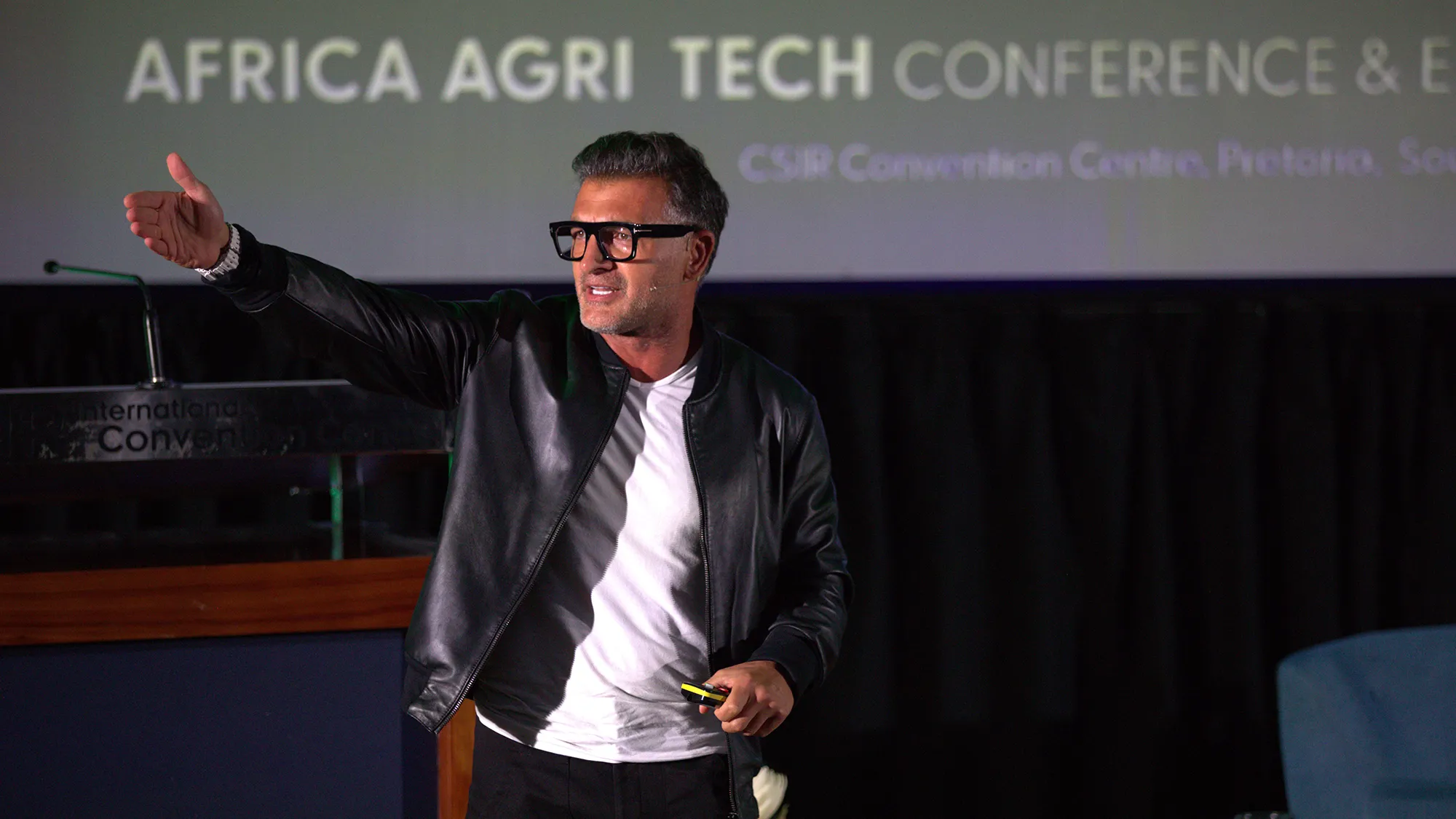
Disrupting Yourself: Building the Teams of Today, Tomorrow, and the Future
In a world of constant transformation, the biggest threat to your relevance isn’t competition. It’s stagnation.
That might sound harsh. But I’ve seen it play out across industries, continents, and cultures.
The businesses that collapse aren’t usually disrupted from the outside—they’re outpaced from within.
We spend years becoming specialists, mastering roles, building companies, and then the game changes. And what was once an advantage becomes dead weight.
The antidote?
You have to disrupt yourself before the world does it for you.
Don’t Build a Team. Build a Time Machine.
Most organisations build one team: the team of now. People who can deliver on current objectives, quarterly KPIs, and immediate goals.
But the smartest leaders build three:
Today’s Team — skilled at executing what already works.
Tomorrow’s Team — empowered to question what works.
The Future Team — tasked with building what comes next, long before it’s needed.
You don’t need to replace your current staff. You need to layer in a new kind of thinking. Because if you only hire for now, you’ll never be ready for next.
If the people around you are all saying “yes,” you’re probably standing still.
Comfort Is a Liar
Here’s the thing: the more successful you’ve been, the harder this gets. Because success creates comfort. And comfort breeds blindness.
I’ve experienced it personally. A few years ago, I thought I had found my rhythm. My speaking career was thriving, my books were being read, and my calendar was full.
But then I asked myself:
“Am I being celebrated for who I am—or who I was?”
That’s the danger of success. It lulls you into thinking that repetition is mastery. But mastery isn’t about repeating what works. It’s about staying relevant, resilient, and in motion.
Evolution Is a Discipline
Disrupting yourself isn’t about dramatic pivots or burning everything down. It’s about making reinvention a habit.
It means asking harder questions.
Letting go of old titles.
Surrounding yourself with people who challenge your certainty.
It means building emotional range as well as technical range, because the most valuable leaders in the next decade will be those who can evolve at the speed of change.
In Closing
If you’re not building a team for the future, you’re planning for the past.
If you’re not disrupting yourself, you’re waiting to be replaced.
And if you’re not evolving, you’re slowly becoming irrelevant.
The next version of the world is coming either way.The question is:
Will the next version of you be ready for it?


