The Number One Skill For Adaptability
Loading the Elevenlabs Text to Speech AudioNative Player...
It’s Not What You Know, It’s How You Behave
It’s not what you know; it’s about how you behave. What you know has become irrelevant because everything is changing so quickly.
I was in Qatar speaking for the auditing department, and one of them put their hand up. They asked me to come and tell them the trends in auditing.
I said, ” Do you know where you can find the trends in auditing? ChatGPT. Go do it.” Ask the question, find five things, and then implement them.
But they couldn’t. So what’s the point of knowing the trends? In six months, those trends will change anyway.
The Shift From “What” to “How”
What we need to focus on is not the what but the how. How do I engage? How do we unlearn?
This skill requires a totally different way for our brains to operate, because we’ve not been programmed or educated for how, but for what. So now we have to rewire the way our brains actually function.
The Adaptability Quotient
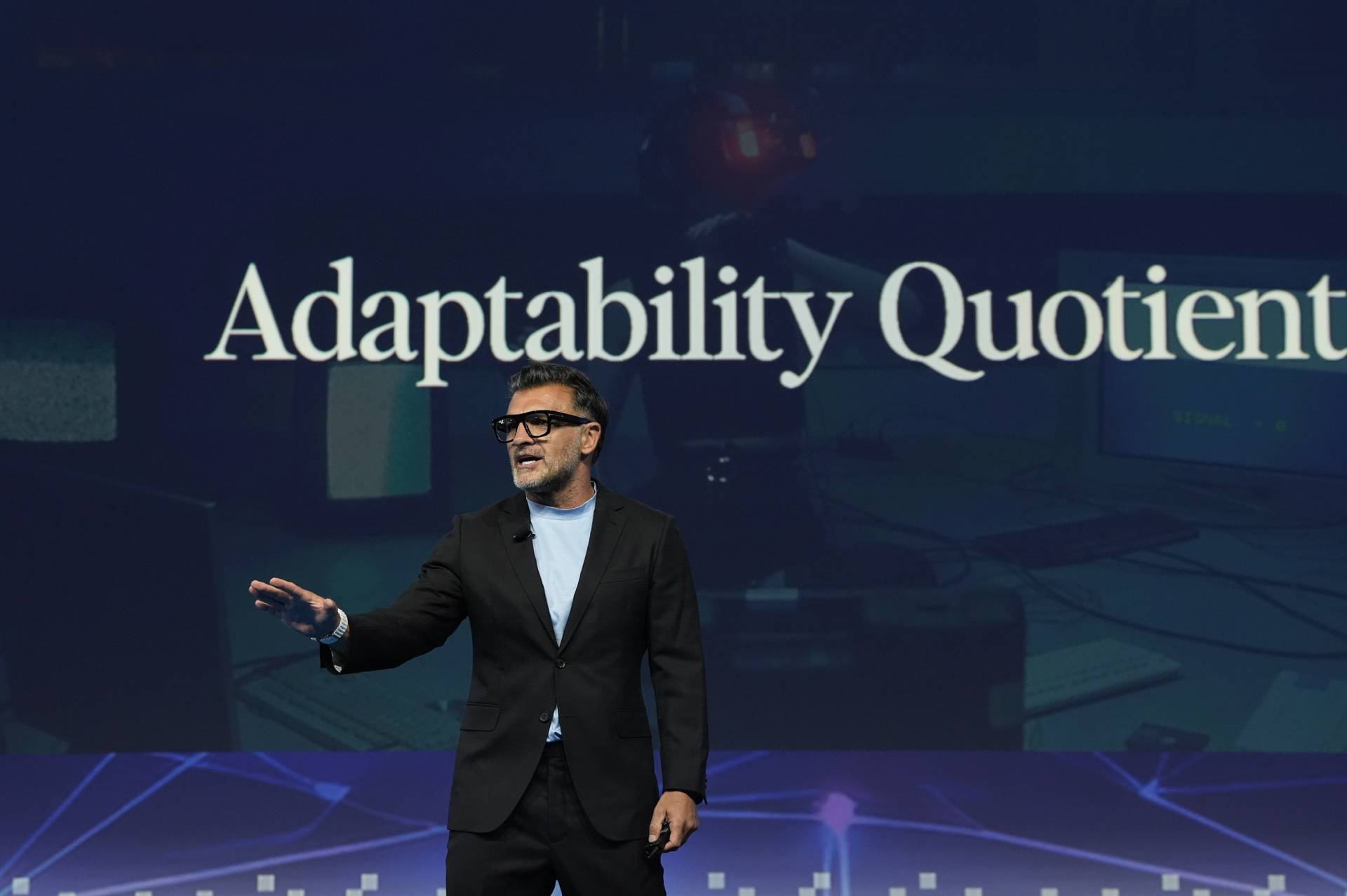
The skill of the future is not PQ. It’s not IQ. It’s AQ.
AQ is the adaptability quotient: how adaptable we are to change. If you’re not adaptable and you’re busy defending your past, you can’t keep up.
Unfortunately, the older you get, the worse it becomes, because your brain becomes entrenched in that old way of thinking.
How Does Emotional Intelligence Relate to Adaptability?
Adaptability truly has only one skill attached to it: high levels of emotional intelligence. If you have low emotional intelligence, you’re not adaptable, you’re defending your past.
If you have high emotional intelligence, you’re naturally quite adaptable.
Frequently Asked Questions:
Q: What is the most important skill for the future?
A: Adaptability, or the ability to quickly adjust to changes, is considered the most critical skill for success in the modern, rapidly evolving world. This “adaptability quotient” (AQ) is more important than traditional measures like IQ or professional qualifications.
Q: How does emotional intelligence relate to adaptability?
A: Emotional intelligence is the key driver of adaptability. Individuals with high emotional intelligence, including self-awareness, empathy, and flexibility, are much more able to adapt to new situations and challenges. Those with low emotional intelligence tend to be stuck in the past and resistant to change.
Q: What are the benefits of being adaptable?
A: Being adaptable allows you to thrive in an uncertain, fast-paced world. Adaptable people are better able to learn new skills, take on new responsibilities, and seize opportunities as they arise. Adaptability is a crucial skill for career growth, problem-solving, and managing stress.
Summary and Key Takeaways
What really matters today isn’t technical knowledge, it’s adaptability. Our ability to shift our mindset, adjust our behavior, and meet the moment determines how well we navigate constant change.
At the heart of adaptability is emotional intelligence, the self-awareness, empathy, and flexibility that allow us to unlearn old patterns and step into new ones.
We have to move away from obsessing over what we know and start mastering how we think, respond, and evolve.
The world is moving too quickly for fixed viewpoints and outdated habits. The more adaptable we are, the more we can welcome new ideas and tap into the opportunities emerging around us.
Note: This blog post is an adaptation of the transcript from the video below.



John Sanei ©2026 | All Rights Reserved
Privacy Policy | Terms & Conditions